Message Notes Oct. 24, 2026
Congregation Beth Messiah
The Gospel of Mark: A Journey's End
Congregation Beth Messiah — Oct 24 2026 — Lech L'cha - Genesis 12:1-17:27
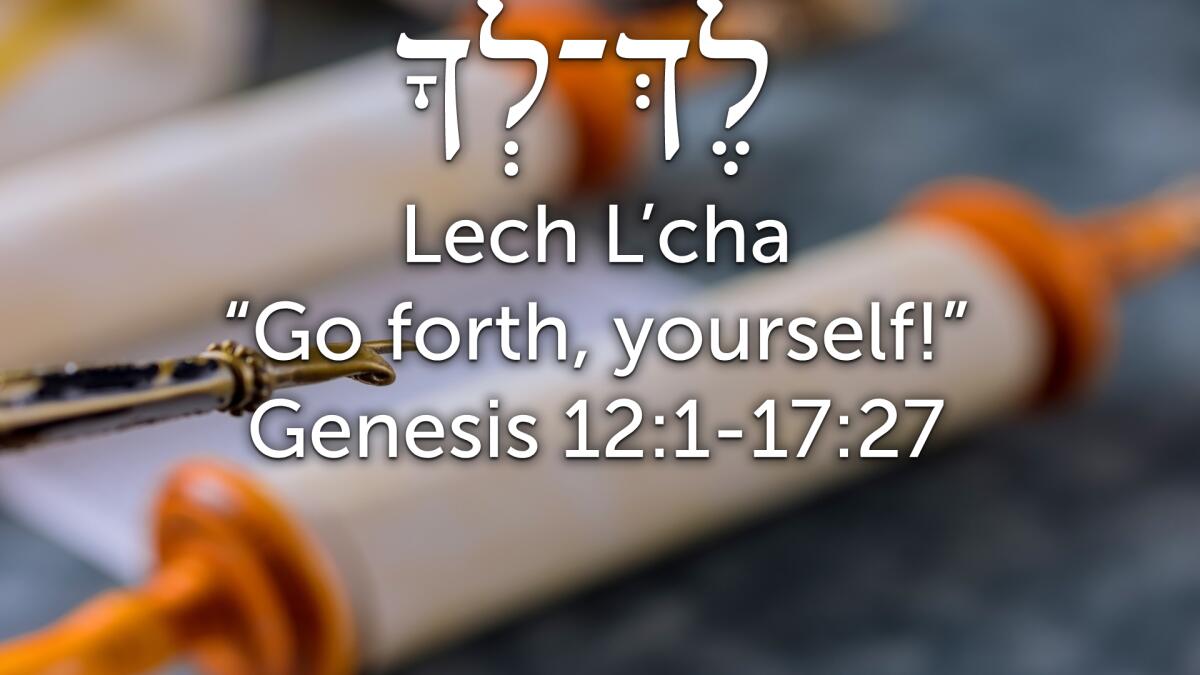
This Week's Torah Portion: Lech L'cha (Genesis 12:1–17:27)
Abram obeys the call to leave his homeland, rescues his nephew Lot, and receives a mysterious blessing from Melchizedek, king of Salem — a figure who prefigures the Messiah.
Genesis 14:17–20 (TLV)
17 Now after he returned from defeating Chedorlaomer and the kings who were with him, the king of Sodom went out to meet him in the Valley of Shaveh (this is the King’s Valley). 18 Then Melchizedek, king of Salem, brought out bread and wine—he was a priest of El Elyon. 19 He blessed him and said,
“Blessed be Abram by El Elyon,
Creator of heaven and earth,
20 and blessed be El Elyon,
Who gave over your enemies into your hand.”
Then Abram gave him a tenth of everything.
Four questions this passage answers about Melchizedek:
What kind of king is he? A purposeful, powerful, and priestly king (Psalm 110:1–4; Hebrews 7:1–3).
What kind of priest is he? A priest in the order of Melchizedek — pointing ahead to a better priest, Yeshua (Hebrews 7:22–25).
What kind of blessing does he bring? Not an earthly blessing but an eternal one (Hebrews 6:19–20; 1 Timothy 2:5).
What kind of response does he deserve? A tithe — given not because it's demanded, but because God deserves it (Genesis 14:20; 2 Corinthians 9:7).
Today's Message: The Gospel of Mark — A Journey's End
We began the Mark series on February 17, 2024, and today we tie it together by looking at Mark's added ending and the major themes God has taught us along the way.
Expository preaching is: text-driven, exegetical (careful study of what the text meant), usually sequential through a book, and application-oriented (connecting the ancient text to real life).
Mark 16:9-20 (TLV, but not in earliest manuscripts)
9 After He had risen early on the first day of the week, He appeared first to Miriam of Magdala, from whom He had driven out seven demons. 10 She went and brought word to those who had been with Him, while they were mourning and weeping. 11 When they heard that He was alive and had been seen by her, they refused to believe.
12 After that, He appeared in a different form to two of them as they were walking on their way to the country. 13 They went and reported it to the rest, but they did not believe them either. 14 Later He appeared to them, the eleven, as they were reclining at the table. He rebuked them for their unbelief and hardheartedness, because they did not believe those who had seen Him after He had been raised.
15 He told them, “Go into all the world and proclaim the Good News to every creature. 16 He who believes and is immersed shall be saved, but he who does not believe shall be condemned. 17 These signs will accompany those who believe: in My name they will drive out demons; they will speak new languages; 18 they will handle snakes; and if they drink anything deadly, it will not harm them; they will lay hands on the sick, and they will get well.”
19 Then the Lord Yeshua, after He had spoken to them, was taken up into heaven and sat down at the right hand of God. 20 And they went out and proclaimed everywhere, the Lord working with them and confirming the word by the signs that follow.
The Ending of Mark (Mark 16:9–20)
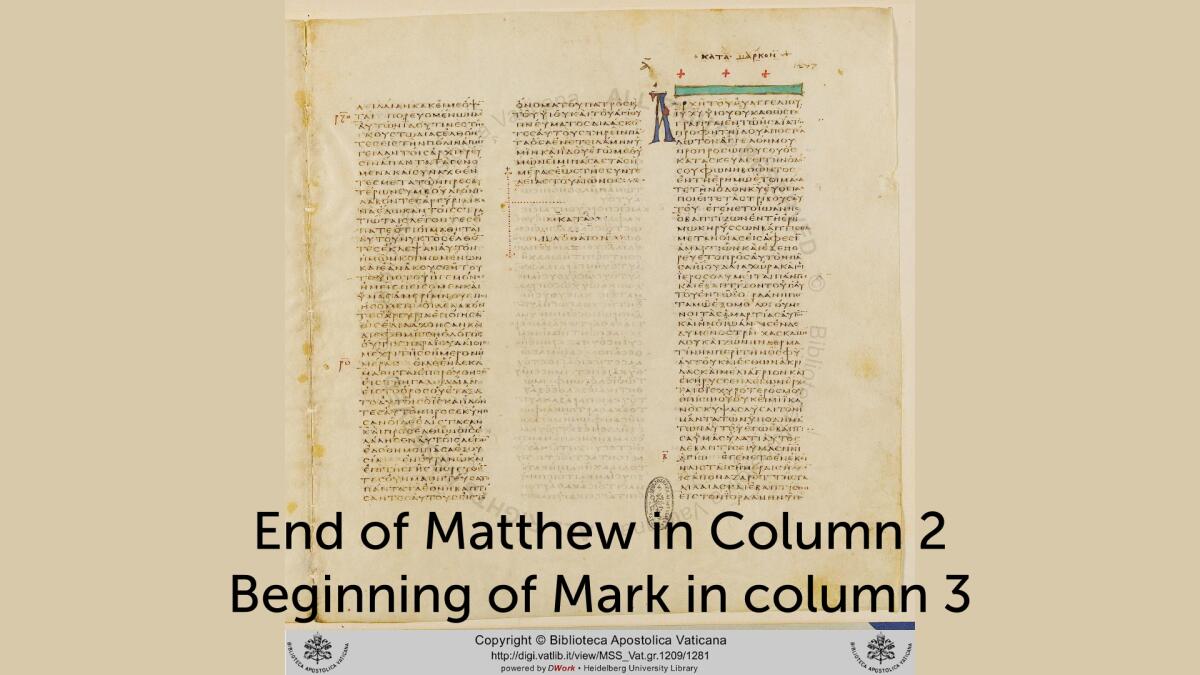
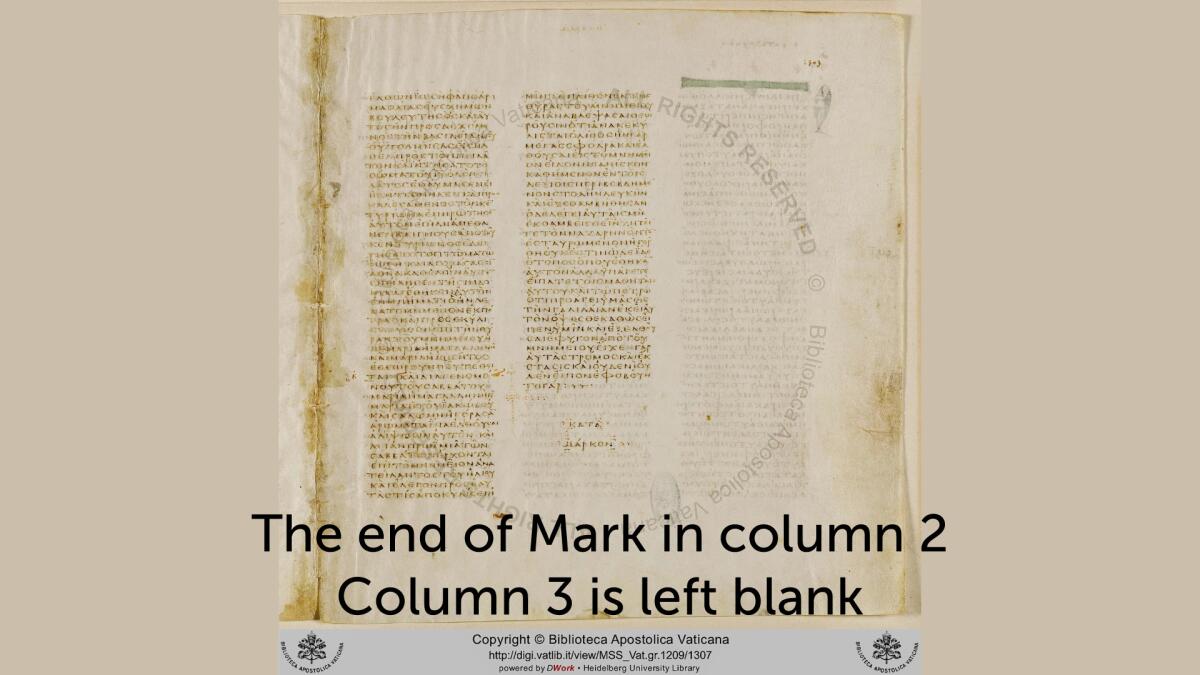
Most scholars conclude Mark 16:9–20 (the "Longer Ending") was added by a later hand, probably in the early-to-mid second century. The case rests on three kinds of evidence:
Manuscript evidence — our two oldest complete Greek manuscripts, Codex Sinaiticus and Codex Vaticanus, both end at 16:8.
Early testimony — early writers like Origen say the accurate copies of Mark end at 16:8, and that the longer ending is missing from almost all copies.
Internal evidence — the vocabulary, style, and an awkward seam (Mary Magdalene reintroduced in v.9 as if new) suggest a different author.
Three views on Mark 16:8 itself:
Mark intended to end there — fitting his theme of faith versus fear.
The original ending was lost.
Mark never finished.
No doctrine of the faith depends on these verses alone — the resurrection, the commission, and the ascension are all taught elsewhere in Scripture.
Reflection: "Will we be afraid and silent, or go and tell?" (Mark 16:8)
Major Themes of Mark
The identity of Yeshua — Messiah and Son of God (1:1)
The Kingdom of God has come near (1:15)
The suffering Messiah and the way of the Tree of Sacrifice (8:31; 9:31; 10:33–34)
The "Messianic secret" — Yeshua silences those who would reveal Him too soon
Discipleship and the failure of the disciples — restoration is offered to those who fail
Authority — over demons, disease, nature, sin, the Sabbath, and the Temple
The new exodus and "the way of the Lord" (Isaiah 40:3)
Faith versus fear — "Do not fear, only believe" (5:36)
Something greater than the Temple is here
Inclusion of the nations — a house of prayer for all nations (11:17)
Urgency and watchfulness — Mark's frequent use of "immediately"
Key verse: Mark 10:45 — "For even the Son of Man did not come to be served, but to serve and to give His life as a ransom for many."
Four Applications For Us
Following Messiah means dying to ourselves — taking up the cross (8:34–38).
Greatness in the kingdom is service (10:45).
Failure isn't the end of the story (16:7) — the final message from the empty tomb singles out Peter by name. We will fall short, and He restores.
Respond to Yeshua with urgency — the kingdom has come near (1:15); repent and believe now.
Together these form a natural arc: the call (take up your cross), the pattern (serve as He served), and the grace (restoration when we fail).
What is your net? Discipleship isn't something to put off until life settles down. What "nets" are God calling you to drop today?
Reflection & Response
Where do I need to take up my cross this week?
Where am I tempted to seek to be served rather than to serve?
Where have I failed, and do I believe Messiah still calls me back?
What is one "net" I sense God asking me to leave behind?
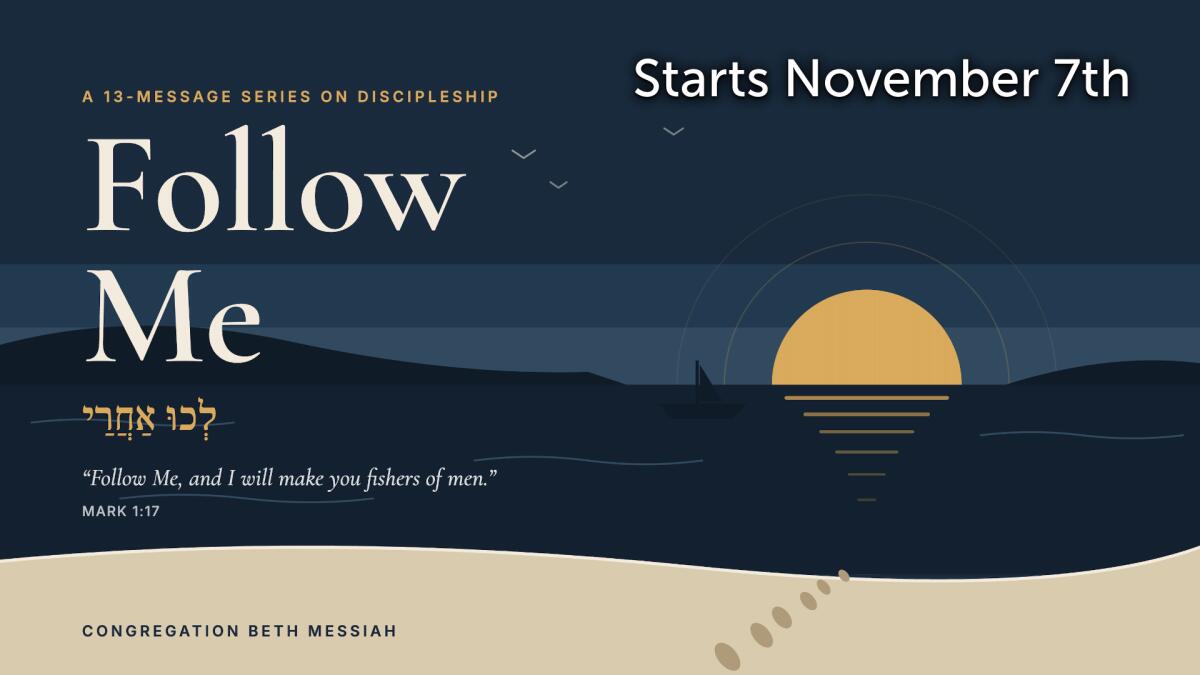
Looking ahead: our new series, Follow Me (lechu Acharai — "follow Me"), begins November 7th.